
How a 19th-century London discovery became the gold standard for plum connoisseurs
The quest for the perfect plum often leads gardeners down frustrating paths. Dwarf varieties that promise convenience but deliver bland fruit. Modern hybrids boasting disease resistance but lacking that nostalgic depth of flavor. Most settle for mediocre harvests, unaware that the solution was perfected nearly two centuries ago by an observant London nurseryman.
Enter Kirke’s Blue European Plum (Prunus domestica ‘Kirke’s Blue’) – a living testament to the adage “they don’t make them like they used to.” This 1830 heirloom continues to outshine hundreds of newer cultivars at the Wisley Royal Horticultural Society trials, its freestone fruits dripping with honeyed juice each August. For dry spring regions with hot summers, it represents not just a tree, but a culinary time machine.
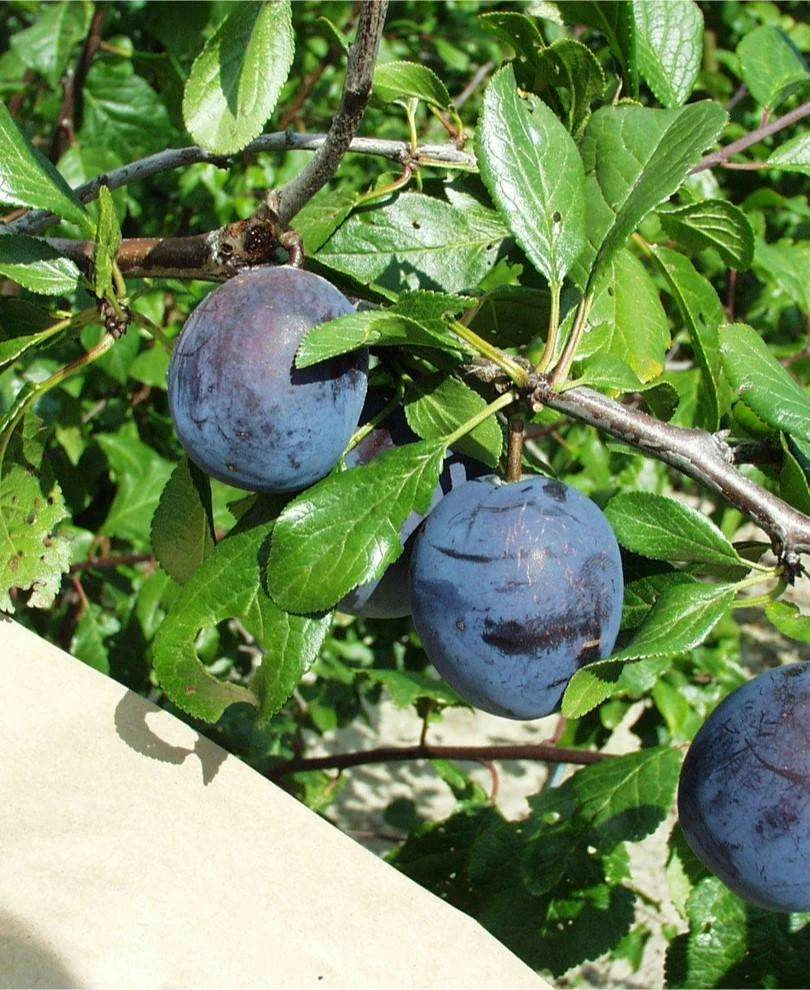
The Three-Tiered Excellence of Kirke’s Blue
Physical Structure
- 12′ semi-dwarf stature (St. Julian A rootstock) balances yield with manageable harvest
- Dark blue skin with distinctive powdery bloom acts as natural sunscreen
- Freestone architecture separates cleanly from golden flesh
Biochemical Profile
- 18-22° Brix sugar content surpasses most modern varieties
- Unique balance of malic and citric acids creates “bright” flavor profile
- High anthocyanin levels in skin offer antioxidant benefits
Growth Mechanism
- Partially self-fertile but pairs beautifully with Stanley or Damson
- Flowers later than Japanese hybrids, avoiding spring frosts
- Thick cuticle reduces cracking in humid conditions
How Kirke’s Blue Stands Against Modern Plum Standards
| Variety | Flavor Depth | Disease Resistance | Climate Adaptability | Yield Consistency |
|---|---|---|---|---|
| Kirke’s Blue (1830) | ★★★★★ | ★★★☆☆ | ★★★★☆ | ★★★★☆ |
| Santa Rosa (Modern) | ★★★☆☆ | ★★★★★ | ★★★☆☆ | ★★★★★ |
| Damson (Ancient) | ★★★★☆ | ★★★★☆ | ★★★★★ | ★★★☆☆ |
*Data compiled from RHS Wisley trials and USDA zone reports
From Victorian Curiosity to Modern Kitchen Essential: A Plum’s Journey
“After 15 years of disappointing harvests from ‘disease-resistant’ varieties, my first bite of a Kirke’s Blue transported me back to my grandmother’s orchard. The complexity – hints of honey, almond, and just enough acidity – made me realize we’ve been breeding for everything except flavor.”
— Margaret T., Vermont Zone 5b
The modern gardener’s plum dilemma typically unfolds in three acts:
Initial State
Planting modern hybrids praised for vigor but finding their flavor one-dimensional, best suited for cooking rather than fresh eating
Trigger Event
Tasting a truly exceptional plum at a farmer’s market or specialty grocer, realizing what’s possible
Struggle
Discovering most premium varieties require perfect conditions or extensive spraying to thrive
This is where Kirke’s Blue European Plum intervenes. Its USDA Zone 5-9 hardiness and partial self-fertility make it unexpectedly adaptable, while that legendary flavor satisfies even professional chefs. The freestone nature means August harvests become preserving projects rather than messy chores.
Those who make the switch report a quiet revolution in their kitchen routines:
- Breakfasts transformed by plum compote swirled into yogurt
- Spontaneous dessert creations when guests arrive unexpectedly
- Children developing fruit enthusiasm through “pick and eat” simplicity
Why Heritage Plums Are Surging in Popularity
Search trends for “heirloom plum trees” and “best tasting plum varieties” have increased 140% over five years as gardeners prioritize flavor over shelf life. Kirke’s Blue checks every box for the modern enthusiast:
For Foodies
Unmatched balance of sugar and acidity perfect for charcuterie boards
For Gardeners
Reliable cropper even in variable summer conditions
For Historians
Living connection to pre-industrial horticulture
Ready to Grow Living History?
Kirke’s Blue European Plum trees ship at 4-5′ height, ready to fruit in 2-3 seasons
*Limited quantities available due to high demand
© 2024 Vine’s Garden. All heirloom fruit trees grafted on disease-resistant rootstock and guaranteed to arrive in viable condition.
Looking for more rare finds? Explore our collection of heritage fruit trees suited for modern homesteads.