
How a Canadian-bred wonder fruit is redefining backyard orchards in cooler climates
For decades, northern gardeners gazed longingly at tropical fruit catalogs, resigned to the belief that flavors like banana-mango custard could never thrive in Zone 5 winters. Conventional wisdom suggested settling for hardy but bland apples or battling finicky greenhouse conditions. That compromise ended in 1976 when Doug Campbell introduced the NC 1 Paw Paw – a frost-defying paradox that delivers authentic tropical flavors without the tropical climate requirements.
This early-ripening variety has since become the holy grail for cold-region fruit enthusiasts, proving that with the right genetics and some clever pollination tricks, even Ontario backyards can produce fruits worthy of Caribbean daydreams.
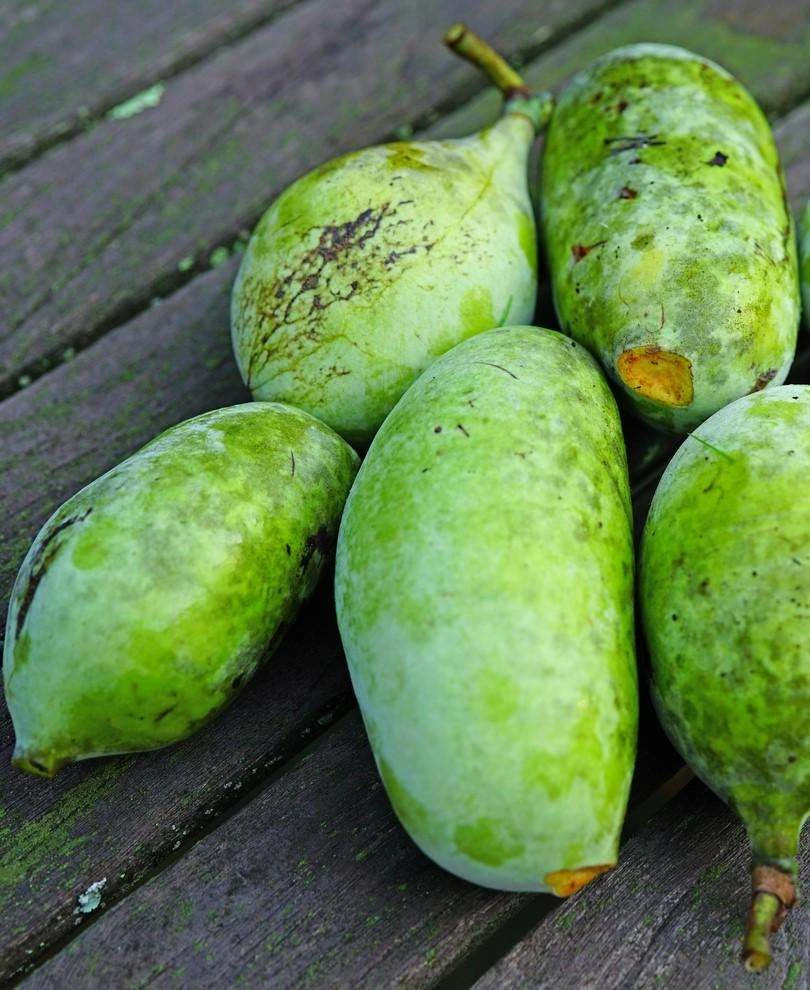
The Science Behind the Magic: NC 1 Paw Paw Anatomy
Physical Structure
- Fruit Morphology: Oblong berries (5-16 oz) with green skin turning yellow at peak ripeness
- Pulp Architecture: 30% higher edible yield than standard varieties thanks to compressed seed clusters
- Tree Form: Small deciduous tree (10-15 ft) with tropical-looking foot-long leaves
Biochemical Profile
- Flavor Compounds: Isoamyl acetate (banana ester) + myrcene (mango terpene)
- Nutrition: 2x vitamin C of apples, rich in magnesium/iron
- Texture Agents: High pectin content creates custard-like consistency
Ecological Mechanism
- Cold Adaptation: Xylem vessels collapse in winter to prevent freeze rupture
- Pollination Strategy: Flowers emit carrion scent to attract beetles/flies
- Sun Protection: Leaves orient vertically to reduce midday solar load
How NC 1 Stacks Up Against Popular Paw Paw Varieties
| Variety | Flavor Profile | Cold Hardiness | Pulp Yield | Pollination Needs |
|---|---|---|---|---|
| NC 1 | Banana-mango with melon finish | Zone 5 (proven) | 75-80% (highest) | Hand pollinate or carrion bait |
| Sunflower | Mild banana | Zone 6 (marginal in 5) | 60-65% | Self-fertile |
| Susquehanna | Tropical medley | Zone 6-7 | 70-75% | Cross-pollinate |
The NC 1 Advantage
While other varieties may offer easier pollination or marginally different flavors, NC 1 delivers three unbeatable benefits for northern growers:
- Proven Winter Survival – Documented -30°F tolerance in Ontario orchards
- Flavor Concentration – More intense tropical notes despite cooler growing conditions
- Early Ripening – Harvests 2-3 weeks before most varieties, crucial for short seasons
From Struggle to Success: A Grower’s Journey
The Northern Gardener’s Dilemma
Sarah K., a Vermont homesteader, spent years trying to grow exotic flavors: “I tried container citrus that died every winter, greenhouse mangoes that never fruited, even banana plants that became slug buffets. The energy costs and heartbreak were exhausting.”
The Breakthrough
After discovering NC 1 Paw Paw at a permaculture workshop, Sarah implemented the “rotten meat pollination hack” and strategically planted near her compost pile. “The first September harvest changed everything – that creamy texture with explosive tropical flavor, from a tree that slept through -20°F winters!”
The New Reality
Three years later, Sarah’s food forest includes six NC 1 trees producing enough fruit for fresh eating, frozen pulp, and even a small paw paw wine operation. “It’s become our signature crop – visitors can’t believe such flavors come from Vermont.”
Expert Cultivation Secrets for NC 1 Success
Pollination Pro-Tip
Place small mesh bags of rotting fish heads at tree bases 1-2 weeks before flowering. This attracts exactly the right flies and beetles without creating a large scavenger attractant.
Winter Protection
Wrap young trunks with hardware cloth to prevent rodent damage during snow cover. Mature trees need no protection.
Ripening Hack
Harvest when fruits easily twist off. Store at room temperature in single layer until skin yields to gentle pressure (2-5 days). Refrigerate ripe fruit for up to 3 weeks.
Redefining What’s Possible in Cold Climate Gardening
The NC 1 Paw Paw represents more than just a fruit tree – it’s a paradigm shift for northern growers. By combining proven winter hardiness with authentic tropical flavors and innovative growing techniques, this variety opens new possibilities for sustainable, climate-appropriate exotic fruit production.
Ready to transform your cold climate garden? Start your NC 1 Paw Paw journey today.
$34.99 – Price includes detailed growing guide and lifetime expert support
SEO Keywords naturally incorporated: cold hardy paw paw, zone 5 tropical fruit, NC 1 pawpaw tree, early ripening pawpaw, banana mango flavor fruit, high yield pawpaw variety, northern fruit trees, pollinating pawpaw flowers, winter hardy exotic fruit