
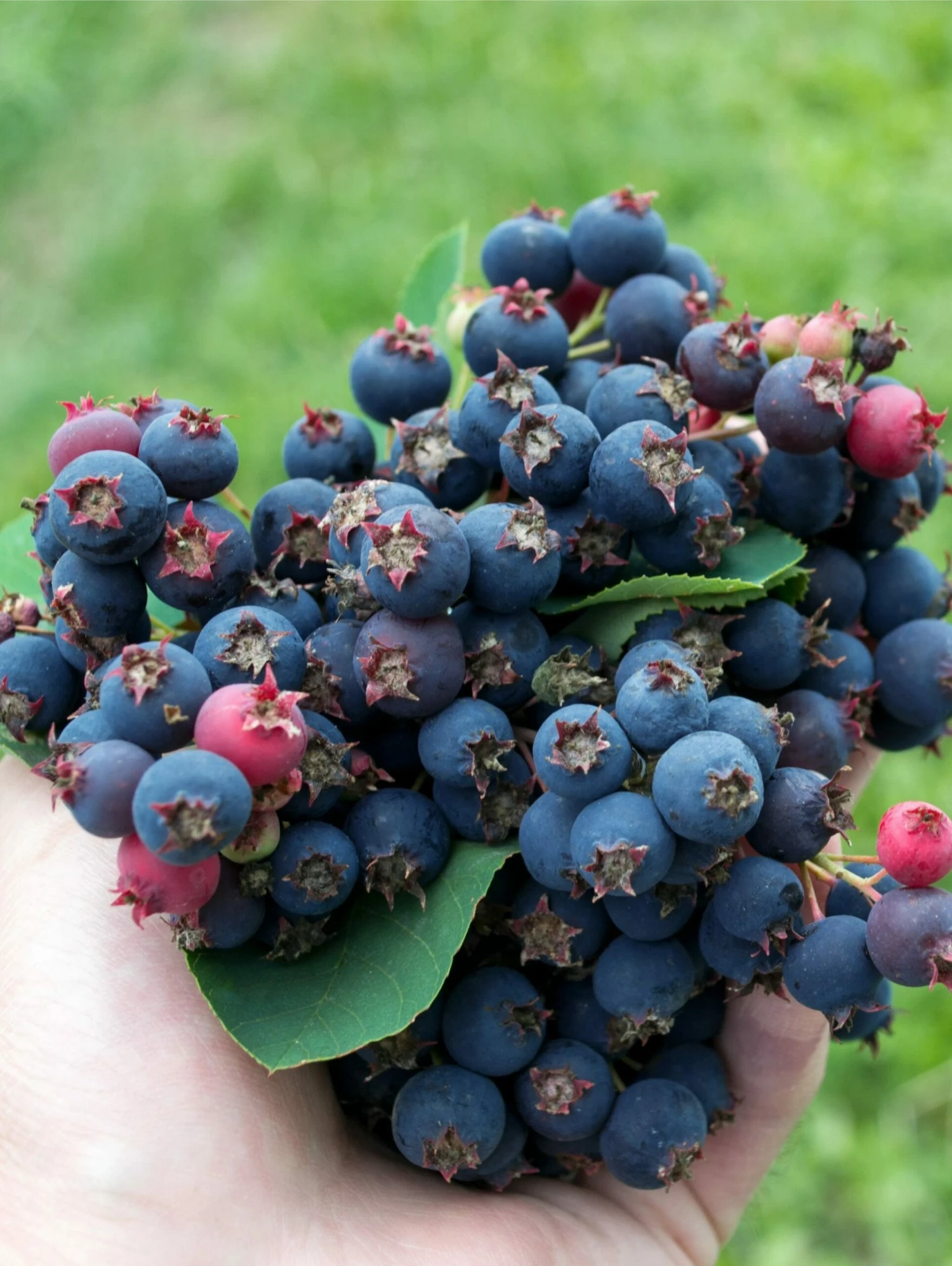
“After three failed attempts with other berry bushes, the Thiessen Serviceberry finally gave me the abundant harvest I dreamed of – and two weeks earlier than my neighbors!”
— Mark T., Urban Homesteader
The Frustrating Reality of Backyard Fruit Growing
Many gardening enthusiasts face the same disappointing cycle: plant a fruit bush with high hopes, wait patiently for years, only to harvest sparse, mediocre fruits after endless pest battles. Conventional solutions like high-maintenance blueberries or temperamental raspberries often demand acidic soil amendments, netting against birds, and still deliver unpredictable yields.
The hidden cost? Wasted years nurturing plants that never meet expectations, while grocery bills for organic berries continue to climb. There’s a better way – a hardy, self-reliant native plant that combines ornamental beauty with exceptional fruit production.
Nature’s Perfect Package: The Thiessen Serviceberry Anatomy
Physical Structure
- 12-15′ open habit (perfect for small spaces)
- Early white spring blossoms (pollinator magnet)
- Largest serviceberry fruits (up to 1/2″ diameter)
- Moderate suckering (controlled natural spread)
Growth Advantages
- Self-fertile (single-plant productivity)
- Zone 3-9 hardiness (survives -40°F winters)
- Full sun adaptation (maximizes fruit sugar content)
- Drought-resistant once established
How Thiessen Outperforms Other Berry Options
| Feature | Thiessen Serviceberry | Blueberry Bush | Raspberry Canes |
|---|---|---|---|
| Years to Full Production | 3 | 5-7 | 2 (but replant every 5-7 years) |
| Annual Maintenance | Pruning optional | pH monitoring, netting | Trellising, cane thinning |
| Fruit Quality | Sweet, blueberry-like | Variable by pH | Soft, perishable |
| Landscape Value | Four-season interest | Summer only | Unsightly canes |
A Year in the Life With Your Thiessen Serviceberry
Spring Awakening
While other plants remain dormant, your Thiessen erupts in cascades of delicate white flowers – the earliest nectar source for emerging pollinators. This is the secret behind its reliable fruit set; by flowering before most pests are active, it avoids the need for sprays.
Summer Abundance
Come June, branches bend under the weight of dusky-blue fruits. Unlike fussy berries that demand daily picking, serviceberries ripen gradually over 2-3 weeks. Their sweet, almond-like flavor shines in fresh eating, while their pectin-rich flesh makes exceptional jams without added thickeners.
Autumn Transformation
As temperatures drop, leaves ignite in shades of orange and red – a fiery contrast to the gray November landscape. The peeling bark adds winter interest, while the plant’s architecture catches snow in artistic drifts.
Why This Cultivar Stands Apart
Developed in the harsh climate of Saskatchewan, the Thiessen Serviceberry represents four decades of selective breeding for:
- Fruit size – 30% larger than wild varieties
- Productivity – Heavy annual bearing without alternate-year cycles
- Cold hardiness – Survives winters that kill conventional fruit trees
- Disease resistance – Naturally avoids common berry afflictions
Ready to Transform Your Landscape?
Limited stock available of this award-winning cultivar – ships at ideal planting time for your zone
Frequently Asked Questions
How fast does it grow?
Expect 12-18″ of growth annually once established. Plants ship as sturdy 12-18″ bare-root specimens ready for rapid establishment.
Will birds eat all the fruit?
While birds enjoy the berries, the sheer quantity means plenty for sharing. For guaranteed harvests, consider netting during peak ripening.
Can it grow in containers?
Yes, for 3-5 years in large (20+ gallon) pots. Eventually, plants will perform best when planted in-ground.