
At a Glance
- Bloom Time: Early fall through frost
- Mature Size: 18-24″ tall (dwarf variety)
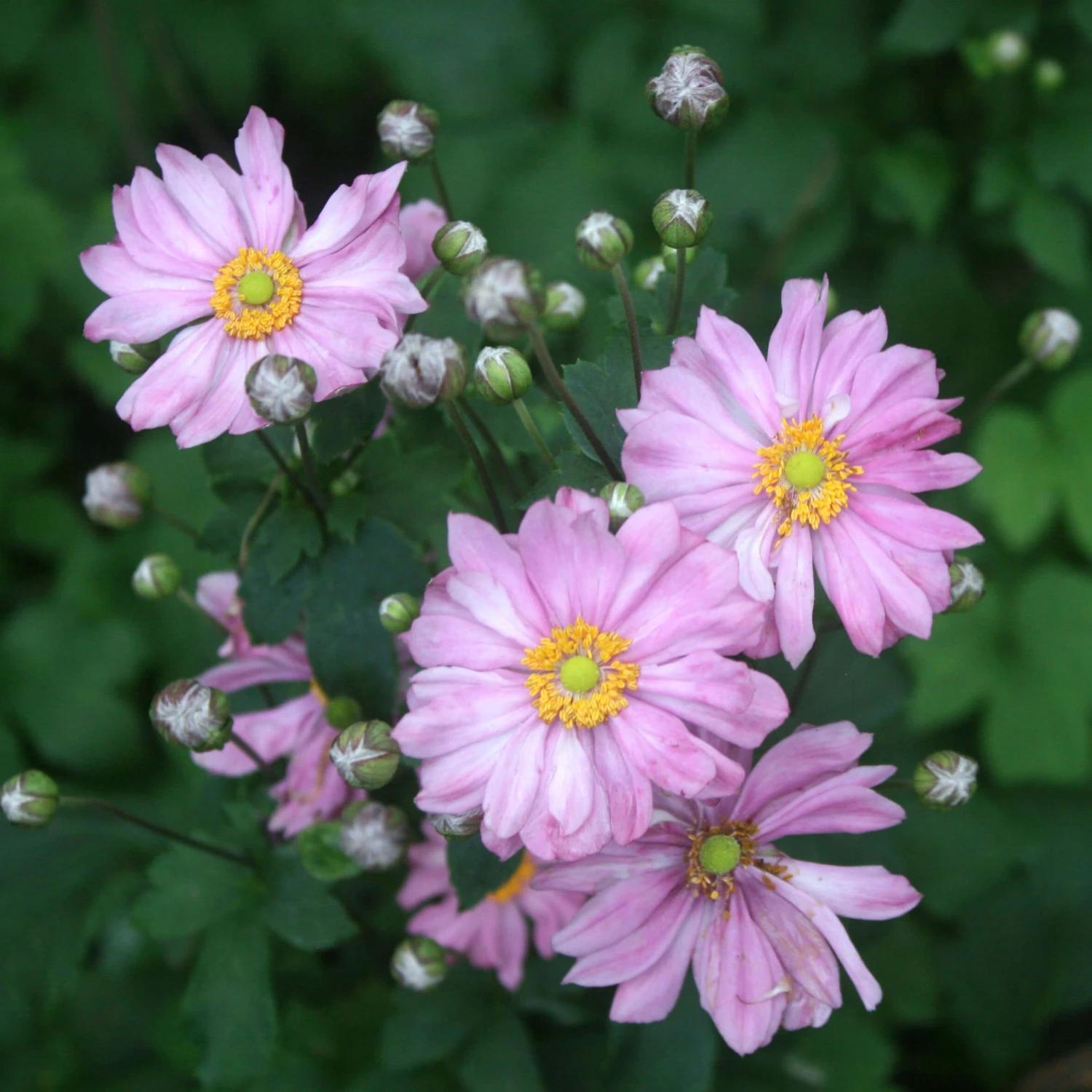
- Flower Type: Semi-double pink blooms
- Soil Adaptability: Thrives in rich soil but tolerates clay
- Special Feature: Ornamental seed heads extend visual interest
Every September, a quiet crisis unfolds in gardens across temperate zones. As summer blooms fade and chrysanthemums stubbornly refuse to wake from their green slumber, gardeners face a three-week color gap—a botanical no-man’s-land where landscapes turn dull despite our meticulous spring planning.
The conventional solutions? Overplanting aggressive asters that overtake beds by year three, or relying on imported annuals that demand weekly watering and fertilizer. Both approaches extract hidden costs: the first in relentless division labor, the second in seasonal replacement expenses and ecological footprint.
Enter Anemone japonica ‘Pretty Lady Emily’, a dwarf Japanese anemone variety that bridges this seasonal void with unexpected grace. Unlike its towering cousins prone to flopping, this compact cultivar delivers the same romantic blooms on stems sturdy enough to withstand autumn rains—all while fitting comfortably in modern small-space gardens.
The Three-Level Breakdown: Why This Anemone Works
1. Physical Architecture
The rhizomatous root system (unlike fibrous-rooted annuals) stores energy for reliable yearly returns. Wiry stems with strategic leaf nodes prevent the collapse common in taller anemones. Deeply lobed foliage creates textural contrast even when not in bloom.
2. Reproductive Strategy
Unlike many fall bloomers that exhaust themselves with one massive floral display, ‘Pretty Lady Emily’ employs sequential blooming—opening buds gradually over 6-8 weeks. The resulting fluffy seed heads provide winter interest while serving as natural bird feeders.
3. Ecological Niche
As a woodland edge specialist, it thrives in the dappled light conditions beneath deciduous trees—precisely where many gardens need late color. The nectar-rich blooms support migrating monarchs and prepare local bees for winter.
How ‘Pretty Lady Emily’ Stacks Up Against Fall Blooming Standards
| Variety | Bloom Duration | Space Required | Maintenance | Wildlife Value |
|---|---|---|---|---|
| ‘Pretty Lady Emily’ | 6-8 weeks | 18″ footprint | Cut back in spring | High (bees, butterflies) |
| New England Aster | 3-4 weeks | 36″+ | Staking required | Medium |
| Chrysanthemum | 2-3 weeks | 12-24″ | Annual replacement | Low |
The emotional premium becomes clear when considering how ‘Pretty Lady Emily’ transforms the gardening calendar. Where other plants mark time through absence (waiting for blooms, mourning their departure), this anemone creates continuous narrative—from first buds to frost-kissed seed heads that catch the low winter sun.
From Frustration to Fulfillment: A Gardener’s Journey
Initial State
Sarah’s Milwaukee garden peaks in July, then becomes a sea of green until mums arrive at nurseries—often too late to properly establish.
Trigger Event
An early September dinner party where guests complimented a neighbor’s blooming border—while hers stood flowerless.
Struggle
Tried asters (too tall), ornamental kale (deer candy), and expensive potted chrysanthemums (died after frost).
Solution
Planted three ‘Pretty Lady Emily’ clusters along her front walk in spring. By fall, they formed a 14-week pink ribbon that transitioned to silver seed heads.
Transformation
Now receives compliments on her “thoughtful four-season design”—though she simply let this anemone do what it naturally does best.
Voices From the Garden
“After 15 years of trial and error, ‘Pretty Lady Emily’ is the only plant that reliably covers my September wedding season—clients think I stage those gorgeous pink blooms just for their photos!”
— Elena R., Event Florist
“The dwarf size finally lets me grow Japanese anemones on my balcony. Even in containers, they come back stronger each year—unlike the mums I used to replace annually.”
— Marcus T., Urban Gardener
Why ‘Pretty Lady Emily’ Japanese Anemone Belongs in Your Garden
For gardeners seeking low-maintenance fall color, this dwarf Japanese anemone delivers where other perennials fall short. Its extended bloom time bridges seasonal gaps, while the compact growth habit fits modern landscapes. Unlike temperamental chrysanthemums or aggressive asters, ‘Pretty Lady Emily’ offers:
- Three seasons of interest (foliage, flowers, seed heads)
- True perennial behavior with increasing vigor yearly
- Pollinator support during critical migration periods
- Clay soil tolerance that outperforms most fall bloomers
The ultimate proof? After one autumn with these resilient beauties, you’ll find yourself designing entire fall gardens around them—not as gap-fillers, but as starring performers.