
How a Scandinavian Secret Became the Ultimate Solution for Northern Gardeners
The Groundcover Dilemma in Cold Climates
For gardeners in USDA Zone 2-5, finding an ornamental yet productive groundcover that survives brutal winters is a constant struggle. Most settle for either:
- Delicate flowering plants that die at first frost
- Invasive species that overtake gardens
- Purely decorative options with no culinary value
The consequences? Wasted money on replanting, barren winter landscapes, and missed opportunities for homegrown superfoods. But what if there was a royal solution – literally bred from Finnish royalty?
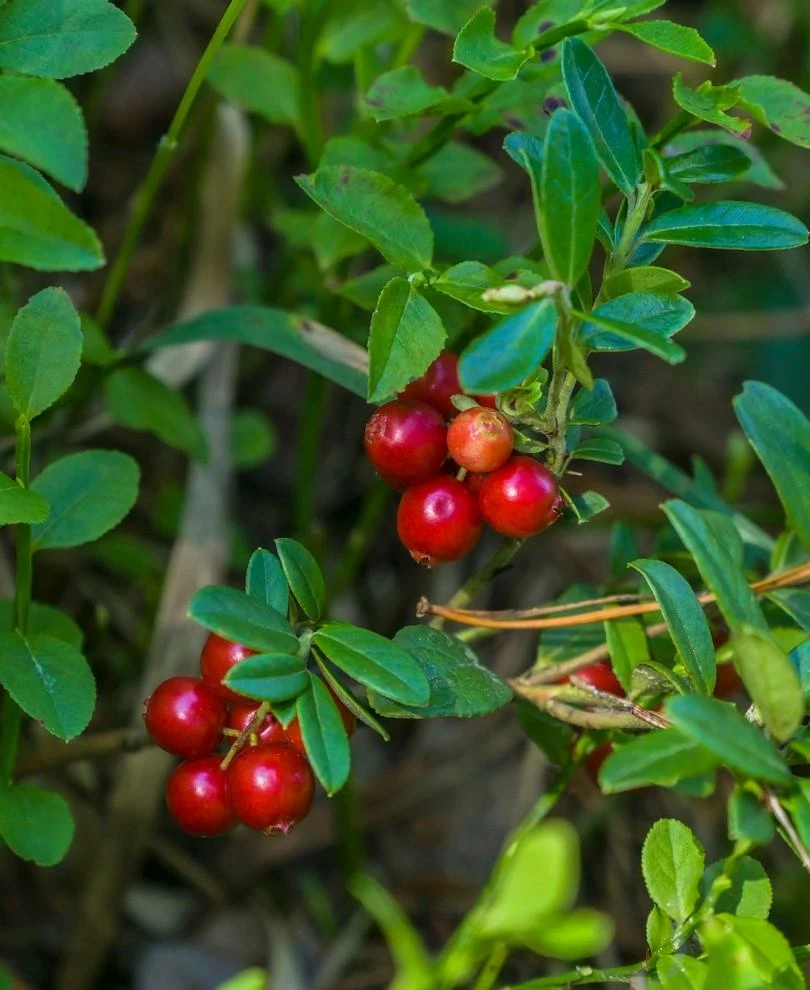
Meet Vaccinium vitis-idaea ‘Regal’
Developed by the University of Wisconsin from open-pollinated Finnish stock, the Regal Lingonberry is revolutionizing cold-climate gardening with:
- Double harvest potential (summer & late fall crops)
- Ultra-hardy evergreen foliage (survives -50°F)
- Nutrition-packed berries with 3x the antioxidants of blueberries
- Ornamental appeal with year-round visual interest
The Science Behind the Regal Advantage
Three-Level Breakdown
- Physical Structure: Prostrate growth habit (2-4″ tall, 24″ spread) with leathery evergreen leaves and woody stems adapted to snow load
- Biochemical Composition: High levels of anthocyanins, quercetin, and proanthocyanidins – compounds linked to anti-inflammatory and cardiovascular benefits
- Ecological Mechanism: Symbiotic relationship with ericaceous mycorrhizae allows nutrient uptake in poor soils common to northern climates
How Regal Lingonberry Outperforms Common Groundcovers
| Feature | Regal Lingonberry | Creeping Thyme | Pachysandra | Wintercreeper |
|---|---|---|---|---|
| Edible Yield | 2 harvests/year | None | None | None |
| Cold Hardiness | Zone 2 (-50°F) | Zone 4 (-30°F) | Zone 4 (-30°F) | Zone 5 (-20°F) |
| Lifespan | 20+ years | 3-5 years | 10 years | 15 years |
| Invasive Risk | Non-invasive | Low | Moderate | High |
Beyond Botany: The Emotional Harvest
Cultural Connection
“Planting lingonberries connects me to my Swedish grandmother’s traditions. Now I make her jam recipe with berries from my own yard.” – Ingrid, Minnesota
Winter Resilience
“When everything else is buried under snow, the lingonberry’s red leaves remind me life persists. It’s become my winter antidepressant.” – Mark, Alaska
Beginner Confidence
“As a new gardener in Maine, I needed plants that wouldn’t die on me. Three years later, my lingonberries are thriving with zero care.” – Sarah, Maine
Why Northern Gardeners Are Switching to Lingonberries
For cold climate gardening enthusiasts seeking low maintenance groundcovers that deliver both beauty and function, the Regal Lingonberry represents a paradigm shift. Unlike traditional evergreen groundcover plants that merely survive winter, this hardy berry plant thrives while producing antioxidant-rich berries perfect for Scandinavian recipes.
The secret lies in its Finnish plant genetics, refined by Wisconsin researchers to create the perfect edible landscape plant for USDA Zone 2 gardens. Whether used as a container plant for patios or mass-planted as a drought-tolerant groundcover, its versatility outperforms conventional options.
From Barren to Bountiful: A Gardener’s Journey
The Struggle
“After losing my third set of junipers to winter burn, I nearly gave up on having year-round greenery in my North Dakota yard.”
The Discovery
“A Norwegian neighbor suggested lingonberries. I was skeptical – could something actually fruit in our climate?”
The Transformation
“Five years later, my Regal Lingonberries provide winter color, summer blooms, fall fruit, and require no special care.”
The Regal Choice for Discerning Gardeners
In the world of cold-hardy plants, the Regal Lingonberry stands apart – not just as a survivor, but as a thriver. It answers the northern gardener’s trifecta of needs: beauty that lasts through the harshest winters, sustenance from homegrown superfoods, and the simple joy of cultivating something truly royal. Whether you’re creating an edible border, seeking a container specimen, or establishing a low-maintenance hillside, this Finnish-American hybrid brings Scandinavian resilience to American gardens.