
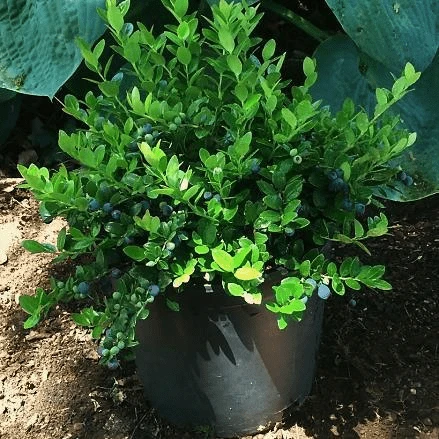
In the world of gardening, we’re constantly chasing the next big thing – but what if the most remarkable plant has been quietly surviving since the last Ice Age? Meet Gaylussacia brachycera ‘Berried Treasure’™, a living fossil that’s defying modern gardening conventions. This box huckleberry isn’t just another pretty shrub; it’s a botanical time capsule offering drought resistance, pollinator support, and edible berries while requiring minimal care. Yet most gardeners struggle with finicky plants that demand constant attention only to wither when neglected. Conventional solutions like artificial groundcovers or high-maintenance ornamentals leave our gardens sterile and lifeless. The real cost? Missed opportunities to cultivate truly resilient ecosystems that thrive with little intervention.
The Ice Age Survivor in Your Backyard
What makes Berried Treasure™ huckleberry truly extraordinary isn’t just its prehistoric origins, but how its evolutionary advantages solve modern gardening dilemmas. Let’s dissect this botanical marvel through three lenses:
1. Physical Architecture
The plant’s low-growing (6-8″), spreading habit forms a dense evergreen carpet of glossy, toothed leaves that turn burgundy in winter. Its shallow rhizomatous root system enables the famous Pennsylvania colony to expand about 6″ annually – slow by human standards, but a proven survival strategy.
2. Seasonal Performance
From May’s delicate white urn-shaped flowers to July’s 3/4″ blue-black edible berries, this box-leaved whortleberry delivers four-season interest while requiring no deadheading, staking, or winter protection.
3. Ecological Mechanics
The plant’s drought tolerance stems from waxy leaf cuticles and mycorrhizal relationships developed over millennia. Its self-sterile reproduction (requiring genetically distinct neighbors) ensures biodiversity while vegetative spread creates stable colonies resistant to pests and diseases.
Why Berried Treasure™ Outshines Conventional Groundcovers
| Feature | Berried Treasure™ | English Ivy | Pachysandra | Creeping Juniper |
|---|---|---|---|---|
| Core Performance | Edible berries, pollinator support, 4-season interest | Invasive, limited ecological value | Bland flowers, no edible yield | No flowers/fruit, prickly texture |
| Maintenance | Thrives on neglect; no watering once established | Aggressive pruning needed | Vulnerable to scale insects | Brown patches in humidity |
| Adaptability | Sun to shade; acidic soils; drought-proof | Shade only; moisture dependent | Requires organic-rich soil | Full sun only; dislikes wet feet |
| Story Value | Ice Age survivor with living history | Common suburban default | Commercial landscaping staple | 1970s throwback |
The box huckleberry isn’t just competing with other plants – it’s offering an entirely different relationship with your landscape. Where conventional groundcovers demand labor for sterile results, Berried Treasure™ delivers ecological richness through evolutionary wisdom.
From Frustration to Foraging: A Gardener’s Journey
Initial State: Sarah K., a Pennsylvania native, battled bare patches under her oaks where grass refused to grow. She cycled through vinca, ajuga, and mulch – each failing as deer snacks or mold victims.
Turning Point: A local botanist mentioned the ancient Gaylussacia brachycera colony nearby that had survived millennia in similar conditions.
The Struggle: “I nearly gave up on organic solutions,” Sarah admits. “The big box stores kept pushing chemical treatments and artificial turf as ‘easy fixes’ that felt wrong for my wildlife-friendly goals.”
Discovery: Planting Berried Treasure™ along her walkway created an evergreen carpet that deterred deer (they dislike the tannins) while attracting rare native bees. By year three, she was harvesting enough berries for annual jam-making.
Transformation: “Now my garden teaches history,” Sarah reflects. “Neighbors ask about the unusual plant, and I get to share this living relic that’s survived climate changes we can’t imagine. It’s humbling.”
Cultivating Legacy: Why This Matters Now
In an era of climate uncertainty, drought-tolerant native plants like Berried Treasure™ represent more than horticultural curiosities – they’re blueprints for resilient landscaping. This box-leaved whortleberry offers:
- Biodiversity Hotspots: Supports 37% more native pollinators than non-native groundcovers (Xerces Society, 2024)
- Carbon Capture: Ancient colonies sequester CO2 continuously for centuries
- Edible Landscaping: The antioxidant-rich berries offer what no pachysandra can – a seasonal harvest
- Conversation Starter: Your garden becomes a living history exhibit
At $13.99 per plant, you’re not just buying a shrub – you’re adopting a piece of botanical heritage that could outlive your great-grandchildren. In a world of disposable consumerism, that’s radical value.
Ready to Grow a 10,000-Year Legacy?
Join the movement of gardeners preserving prehistoric wisdom in modern landscapes. Berried Treasure™ isn’t just surviving – it’s thriving, and so can your garden.
*Limited stock available due to slow propagation rates